Featured
Solar panels for your vessel
Do you know how to choose the correct solar panels for your boat?
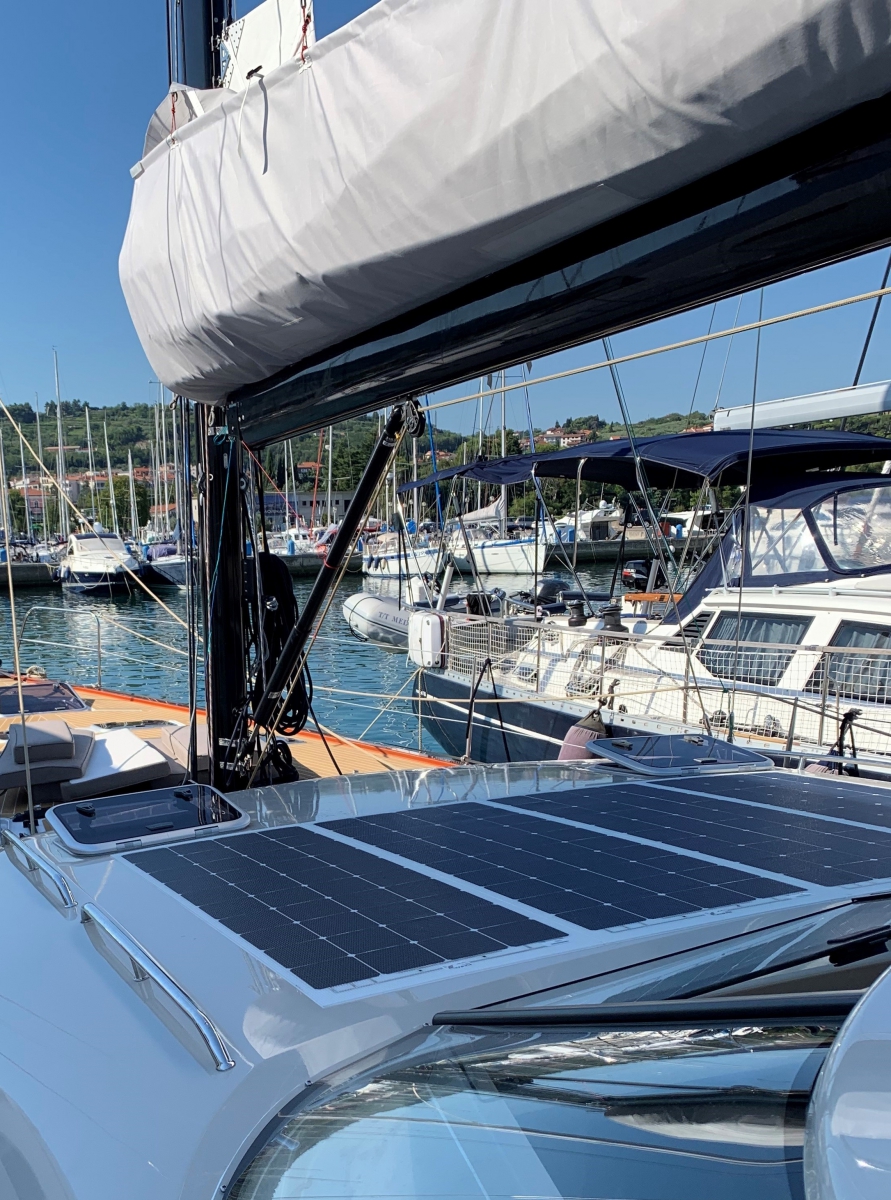
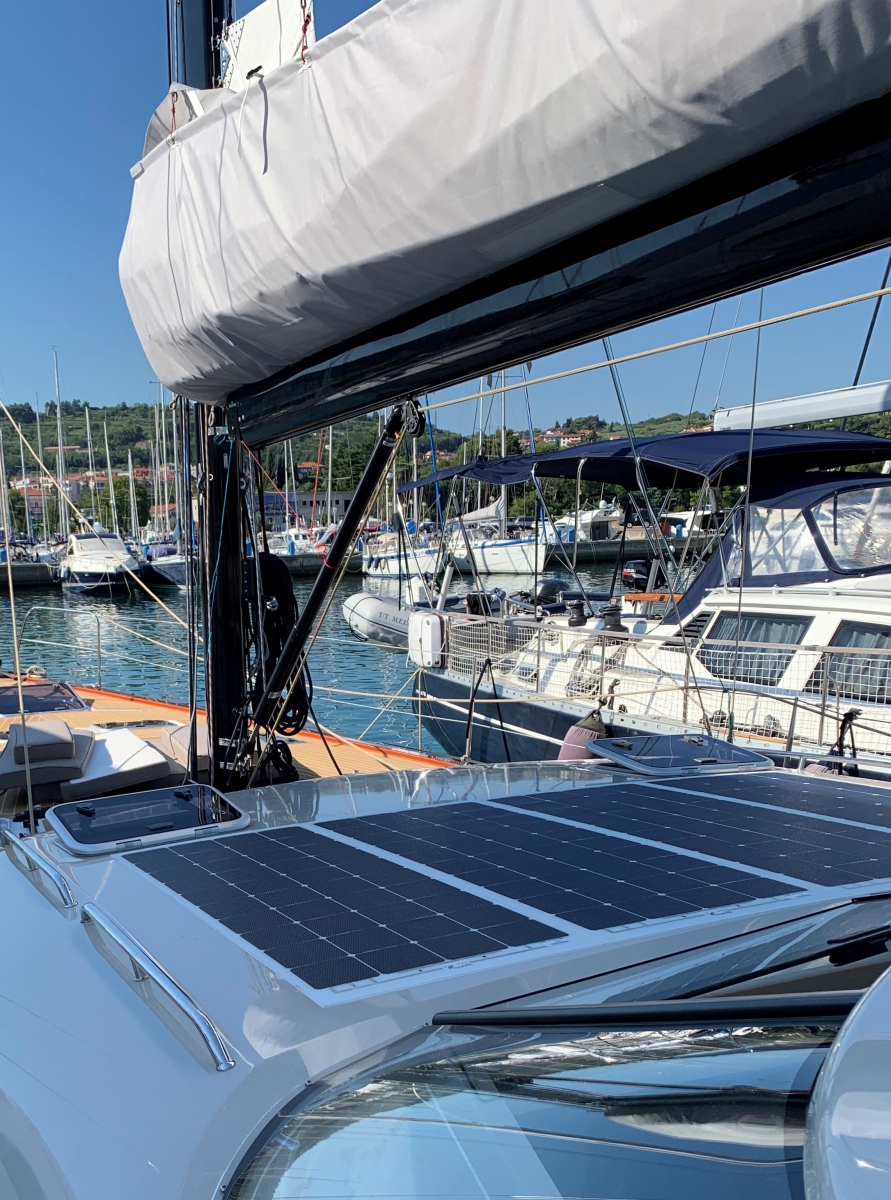
Solar panels can now be found on almost every rooftop of all types of buildings. Recently, these solar energy collectors have also become increasingly common on vessels, as individuals, as well as smaller and larger shipyards, are more frequently installing them on sailboats, boats, and yachts. Just like on the rooftops of buildings, solar panels serve the same purpose on vessels – they generate electricity, which powers the onboard electrical consumers.
Solar panels are an excellent source of electricity for boats because they enable independence from the power grid. The electricity generated can reduce or even completely replace the consumption of fuel for your generator. However, before considering the purchase of solar panels, it’s important to determine how much space is available in the sunniest part of the vessel. If there is plenty of space in that exposed area, efficient energy supply can be achieved by installing multiple, more affordable but slightly less efficient polycrystalline solar panels. If space is limited, it's advisable to equip the vessel with slightly more expensive but more efficient monocrystalline solar panels, which you'll need in smaller quantities. It's crucial that solar panels do not obstruct the movement of the crew and passengers. Due to constant exposure to the salty environment, it's important to ensure that the solar panels are free of scratches and cracks, that their frame is made of aluminum or aluminum alloys, or that they are manufactured according to the IEC 61701 standard.
To correctly size solar panels on a vessel, it's necessary to accurately assess the total consumption of the electrical system and select the appropriate nominal power of the solar panels accordingly. The process is described below:
1. List of electrical consumers:
First, you need to create a list of all electrical devices on the vessel and determine their power consumption in watts (W). This includes everything from lights, refrigerators, navigation systems, to pumps and other electrical appliances.
2. Estimate operating time:
Next, estimate how many hours per day each device operates. For example, if a light operates for 5 hours a day and consumes 10 W, its daily consumption is 50 Wh (watt-hours).
3. Calculate daily consumption:
Multiply each device’s power consumption (in watts) by the number of hours it operates per day to get its daily consumption in watt-hours (Wh). Then, add up all the daily consumptions of individual devices to get the total daily system consumption.
Formula for daily consumption of a device:
Daily consumption = device power (W) × operating time (hours)
4. Choose the power of solar panels:
Once the system’s total consumption is known, calculate the required nominal power of the solar panels. Keep in mind that solar panels do not operate all day but only about 8 hours per day under optimal conditions.
Formula for calculating required solar panel power:
Panel power = total daily consumption (Wh) ÷ number of sunlight hours (8 hours)
Under ideal conditions, solar panels can generate 2 to 5 times their nominal power. However, conditions on vessels are often not optimal, so it’s advisable to assume that panels will produce only about 1.5 to 2 times their nominal capacity.
Power recommendation:
For example, if a vessel consumes 1000 Wh per day, the recommended nominal solar panel power would be between 500 and 750 W. This takes into account both real panel efficiency and suboptimal conditions on board.
Solar panels should not be connected directly to the consumers. Instead, it is better to connect them via an inverter to a battery, where the generated electricity will be stored and made available to consumers at any time. This setup ensures a reliable and stable power supply, as solar panels only generate electricity in the presence of sunlight, while the battery can store energy for use at night or during cloudy weather. The battery system acts as a backup, preventing device failure when panels don’t generate enough power. It also enables optimal functioning of the electrical system by maintaining constant voltage and reducing the risk of fluctuations that could damage sensitive electronics on board.
Solar panel maintenance on a vessel doesn’t require much effort, but it should be regular and thorough. Solar panels should be rinsed frequently with clean, fresh water. Dirty panels can lead to reduced efficiency and lower energy output. Once a month, it is advisable to clean them with a soft cloth and mild soap. As mentioned earlier, regularly check that the panels are undamaged, without scratches or cracks, and that they are securely mounted. All electrical connections should also be dry, rust-free, and safely attached.
If the selection and installation of solar panels seem daunting, be sure to consult with certified providers beforehand. Incorrect installation may lead to fire hazards, which is the last thing you want on a boat.
With careful planning, sensible selection, and proper installation of solar panels, you can ensure that another element of nature is working for you – wind and ocean currents will power your vessel, while the sun will power your electrical system.
Author: Jaka Vitko
Photos